

Custom Heels for Fashion Brands: Why Bespoke Components Matter
Consumers are surrounded by products, collections, and trends that compete for their attention every season. In today’s luxury footwear market, standing out is no longer optional.
For luxury brands, creating a distinctive identity has become one of the most important factors in building long-term value.
Increasingly, fashion houses are investing in custom heels designed specifically for their collections. These bespoke components allow brands to create products that are instantly recognizable, reinforce their creative vision, and strengthen their positioning within the luxury market.
Drawing on decades of expertise in luxury heel manufacturing, Italcompo is the ideal partner for luxury maisons, delivering bespoke components that enhance the quality, design, and performance of their footwear.
Custom Heels: Why luxury Brands Are Moving Beyond Standard Components
Luxury consumers expect exclusivity. They look for products that express a unique identity and cannot be easily replicated by competitors.
As a result, luxury brands are increasingly moving away from off-the-shelf solutions and investing in custom heels developed specifically for their collections.
A bespoke heel allows designers to create a stronger visual signature, ensuring that every detail of the shoe contributes to the overall brand story.
In a market where differentiation is essential, even a single component can become a defining element of a collection.
Custom Heels as an Expression of Brand Identity
The most successful luxury brands are immediately recognizable. This recognition is not achieved through logos alone. It is built through a consistent design language that extends across every product category.
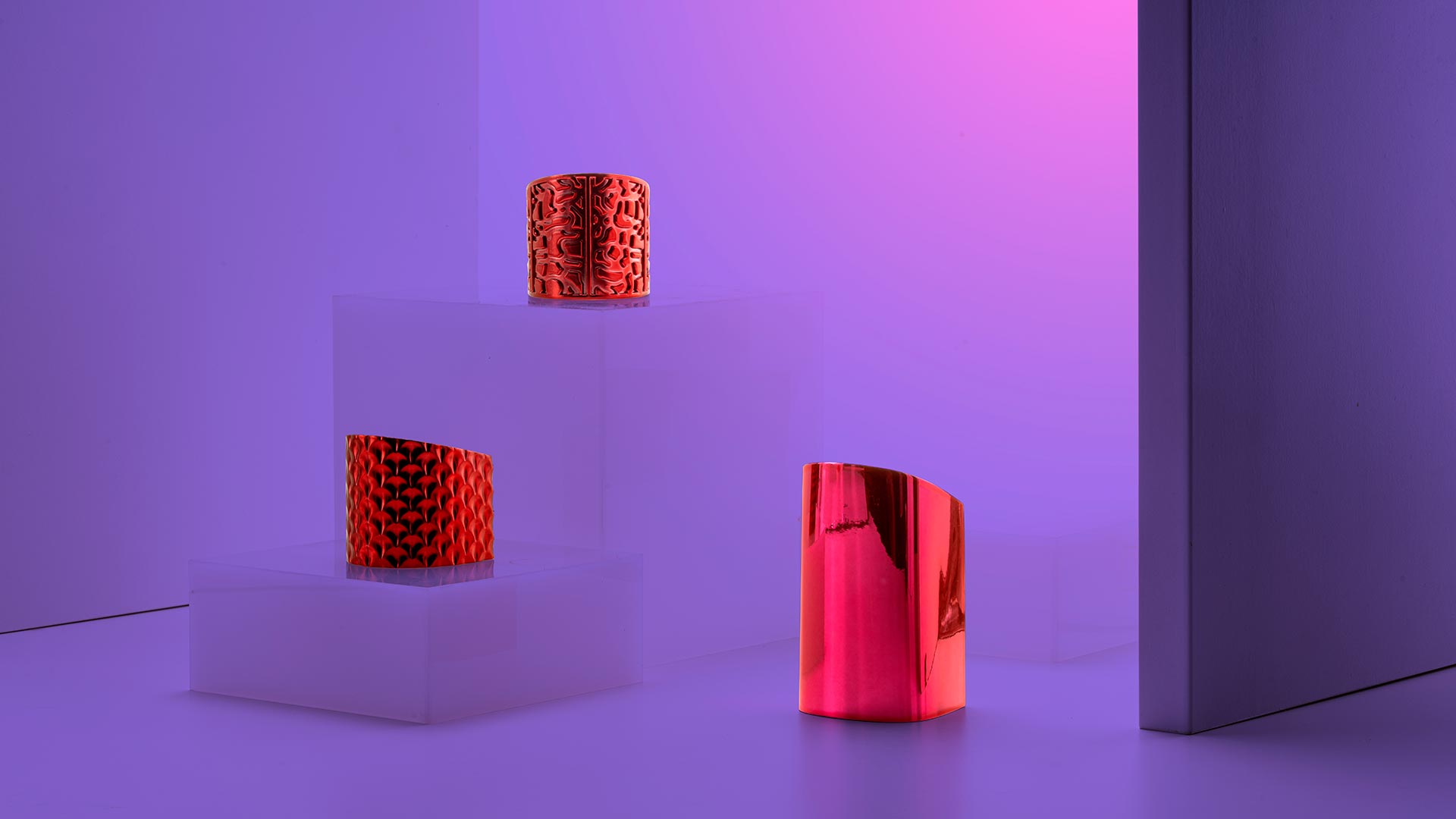
A custom heel can play a central role in this process. Unique shapes, signature geometries, sculptural forms, decorative elements, metallic finishes, transparent structures, or innovative materials can all help transform a heel into a distinctive design feature.
When developed specifically for a brand, the heel becomes more than a functional component—it becomes part of the brand’s visual identity.
This is one of the reasons why many luxury fashion houses invest heavily in bespoke component development. A recognizable heel can create an immediate connection between the product and the brand, even before a logo becomes visible.
From Creative Vision to Technical Reality
Developing custom heels requires much more than a creative idea. Every bespoke component must be engineered to meet demanding technical requirements while preserving the original design intent.
Stability, weight distribution, durability, material performance, manufacturability, and integration with the shoe structure must all be carefully considered throughout the development process.
This is where the role of an experienced manufacturing partner like Italcompo becomes essential.
A successful custom heel is the result of continuous collaboration between designers, engineers, product developers, and manufacturing specialists working together to transform a concept into a production-ready component.
Why Italcompo Is the Right Partner for Bespoke Heel Development
Creating successful custom heels requires a combination of creativity, technical expertise, manufacturing capabilities, and industry experience.
For decades, Italcompo has collaborated with some of the world’s leading luxury fashion houses, supporting the development of highly customized heels for premium footwear collections.
Located within one of Italy’s most important footwear manufacturing districts, our company combines traditional Italian craftsmanship with advanced engineering, rapid prototyping, and modern production technologies.
What makes Italcompo a valuable partner is its ability to support brands throughout the entire development process.
From the initial sketch to CAD engineering, prototyping, testing, material selection, and final production, every stage is managed with the goal of transforming a creative vision into a reliable and distinctive component.
This approach allows brands to push the boundaries of design while maintaining the performance standards expected by the luxury market.